
Blog
Sideboards vs Cabinets – What’s the Difference & Which One Should You Buy?

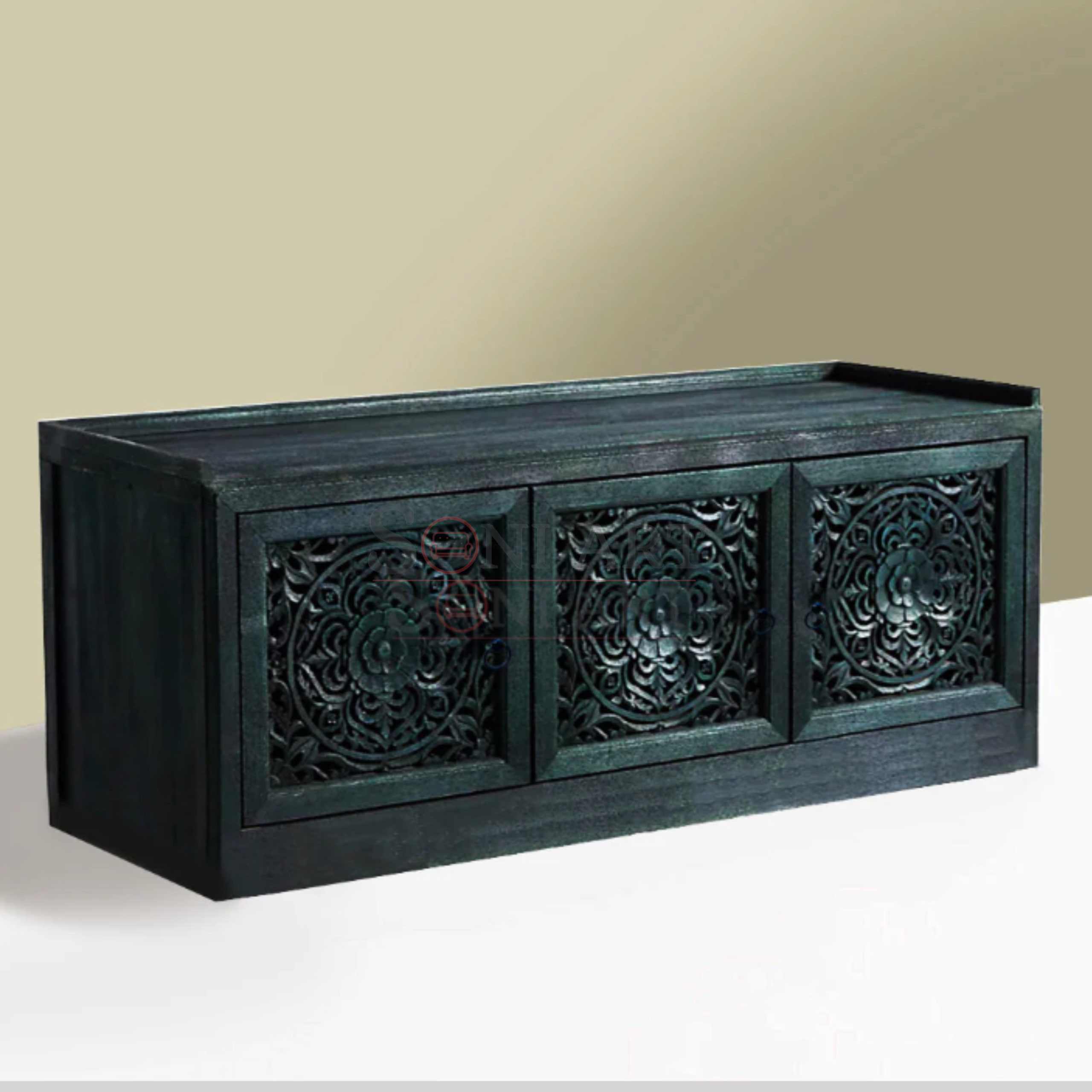
Sideboards vs cabinets, these are two of the most versatile and essential furniture pieces in modern homes. They offer storage, improve organisation, and enhance the overall décor of your living room, dining room, bedroom, or hallway. Yet, many homeowners are unsure about the difference between a sideboard and a cabinet. The terms are often used interchangeably, but they are not the same.
Choosing the right one depends on your space, storage needs, and interior style. In this detailed guide, we break down the differences between wooden sideboards and cabinets, explain where each works best, and help you decide which one is ideal for your home.
What Is a Solid Wood Sideboard?
A sideboard is a low-height storage unit usually placed in dining rooms or living rooms. Traditionally, sideboards were used to store crockery, cutlery, serving bowls, and table linens. Over time, sideboards have become multifunctional decorative furniture pieces.
A modern sideboard usually has:
- A wide top surface
- Combination of cabinets and drawers
- Medium height (typically 28–36 inches)
- Clean, horizontal design
Sideboards are designed to be both functional and visually appealing. They are often used as a display area for lamps, vases, photo frames, artwork, mirrors, and indoor plants.
What Is a Wooden Cabinet?
A cabinet is a general-purpose storage unit that can vary widely in height, width, and design. Cabinets are used in every room of the house and come in many forms including tall cabinets, display cabinets, living room cabinets, entryway cabinets, crockery cabinets, and storage chests.
A wooden cabinet generally includes:
- Shelves or compartments
- Closed doors for concealed storage
- Variable height (short, medium, or tall)
- Adjustable storage for multiple uses
Cabinets prioritise storage capacity over display surface. They are perfect for organising essentials while keeping your home clutter-free.
Key Differences Between Sideboards and Cabinets
Although both offer storage, they differ in design, proportion, and purpose.
1. Height and Shape
Sideboards are typically wider and lower. They usually stand between 28 and 36 inches high.
Cabinets come in multiple heights, including tall, slim, and vertical units.
2. Primary Use
Sideboards are mostly used in dining rooms and living rooms as serving stations or display furniture.
Cabinets are used in almost every room for general storage.
3. Design Aesthetic
Sideboards have a horizontal, elongated design that makes them ideal for styling décor on top.
Cabinets focus more on storage and practicality and may or may not have a decorative top.
4. Storage Layout
Sideboards usually include a mix of drawers and cabinets.
Cabinets may have shelves, drawers, compartments, or a combination based on the design.
5. Placement
Sideboards work best in dining rooms, living rooms, hallways, and entryways.
Cabinets are more flexible and can be placed in bedrooms, dining areas, kitchens, offices, and living rooms.
When to Choose a Sideboard
Sideboards are ideal when you want both display space and storage.
Choose a sideboard if:
- You want a stylish focal piece for your living room or dining room.
- You need a wide surface to display décor items.
- You frequently host guests and need a serving platform.
- You want a piece that adds elegance to the space.
- You prefer organised storage for crockery, cutlery, table linens, or living room accessories.
Sideboards are perfect for homes that need functional storage without compromising on aesthetics. They create a luxurious and welcoming look, especially when paired with artwork or a statement mirror.
When to Choose a Cabinet
Cabinets are best when your priority is storage capacity.
Choose a cabinet if:
- You need concealed storage for daily-use items.
- You want a taller unit that maximises vertical space.
- You prefer multi-purpose furniture that works in different rooms.
- You want to store books, files, clothes, electronics, or household items.
- You have limited floor space and need efficient organisation.
Cabinets offer outstanding utility and can blend into any room, making them one of the most versatile furniture investments.
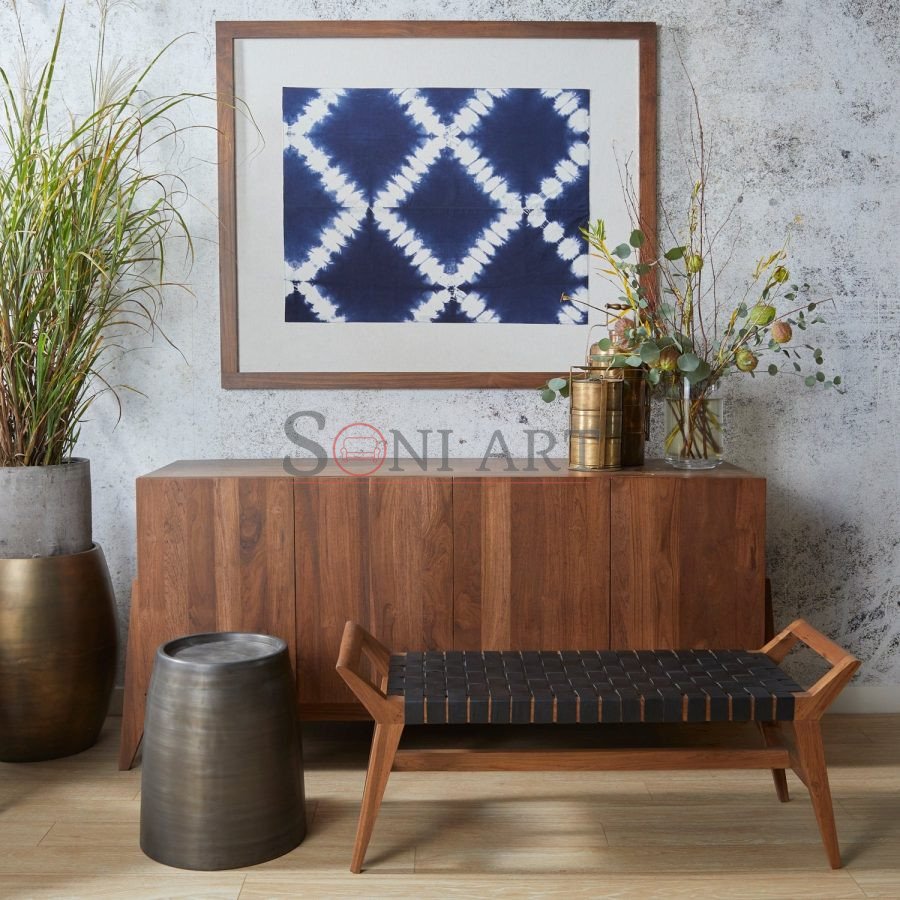
Choosing Between a Sideboard and a Cabinet Based on Room
Here’s how to decide based on where you want to place the furniture.
Living Room
Use a sideboard if you want a stylish display area for décor, lamps, and photo frames.
Use a cabinet if you need storage for books, games, electronics, or media accessories.
Dining Room
Sideboards are perfect for storing crockery, cutlery, and serving items while providing a serving surface during meals or gatherings.
Cabinets work well if you need additional storage for big cookware, tableware, or pantry items.
Bedroom
Cabinets are usually more suitable because they provide deeper storage for clothes, bedding, and accessories.
A sideboard can be used if you want a low unit to place décor and additional linens.
Entryway or Hallway
Sideboards enhance aesthetics and make a welcoming entrance.
Cabinets work well if you want a place to store shoes, umbrellas, or daily essentials.
Home Office
Cabinets are ideal for storing documents, files, stationery, or office equipment.
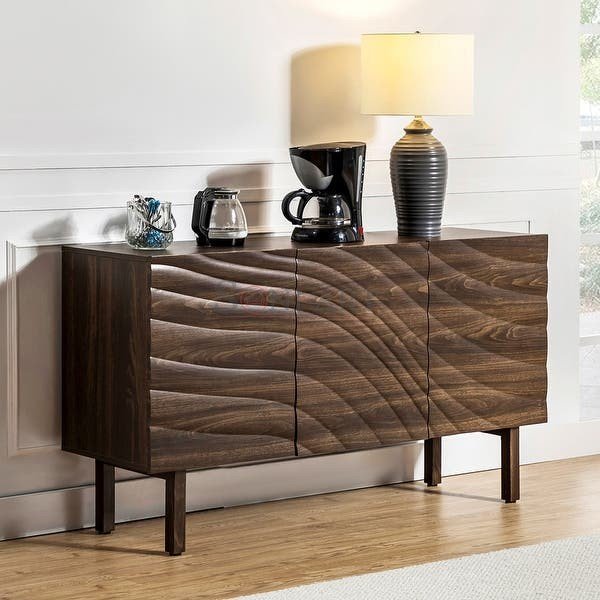
Styling Tips for Sideboards
Because sideboards are often used as decorative furniture pieces, styling plays an important role.
Here are some simple ideas:
- Place a large mirror or artwork above the sideboard.
- Add a pair of lamps or candle stands.
- Use vases, sculptures, or décor objects to create height variation.
- Keep the styling minimal for a modern look or layered for a more traditional feel.
Sideboards create instant sophistication when styled thoughtfully.
Styling Tips for Cabinets
Cabinets can also be styled beautifully, especially if they have open shelves or glass doors.
Consider these ideas:
- Use baskets or organisers inside shelves for a clean look.
- Add indoor plants or small sculptures on the top.
- Pair tall cabinets with complementary lighting.
- Keep décor simple to avoid clutter.
Should You Choose Sheesham Wood or Bone Inlay?
Soni Art specialises in two primary materials: solid wood (especially Sheesham) and bone inlay. Both create stunning sideboards and cabinets.
Sheesham Wood
Sheesham provides strength, longevity, and rich natural grains. It is perfect for heavy-duty use and everyday storage.
Bone Inlay
Bone inlay pieces are artistic, luxurious, and ideal for statement furniture. They are best used in living rooms, entryways, and bedrooms where they can be showcased.
Choose Sheesham when you need durability and warmth.
Choose bone inlay when you want luxury and decorative beauty.
Final Thoughts
Sideboards and cabinets are essential storage furniture pieces, but choosing between them depends on your space, lifestyle, and design preferences. Sideboards are stylish, wide, and perfect for display, while cabinets are practical, versatile, and excellent for deep storage.
Whether you prefer the richness of Sheesham wood or the elegance of bone inlay, Soni Art offers handcrafted sideboards and cabinets that combine beauty, functionality, and durability. With the right choice, you can enhance both the style and organisation of your home.